Our Services
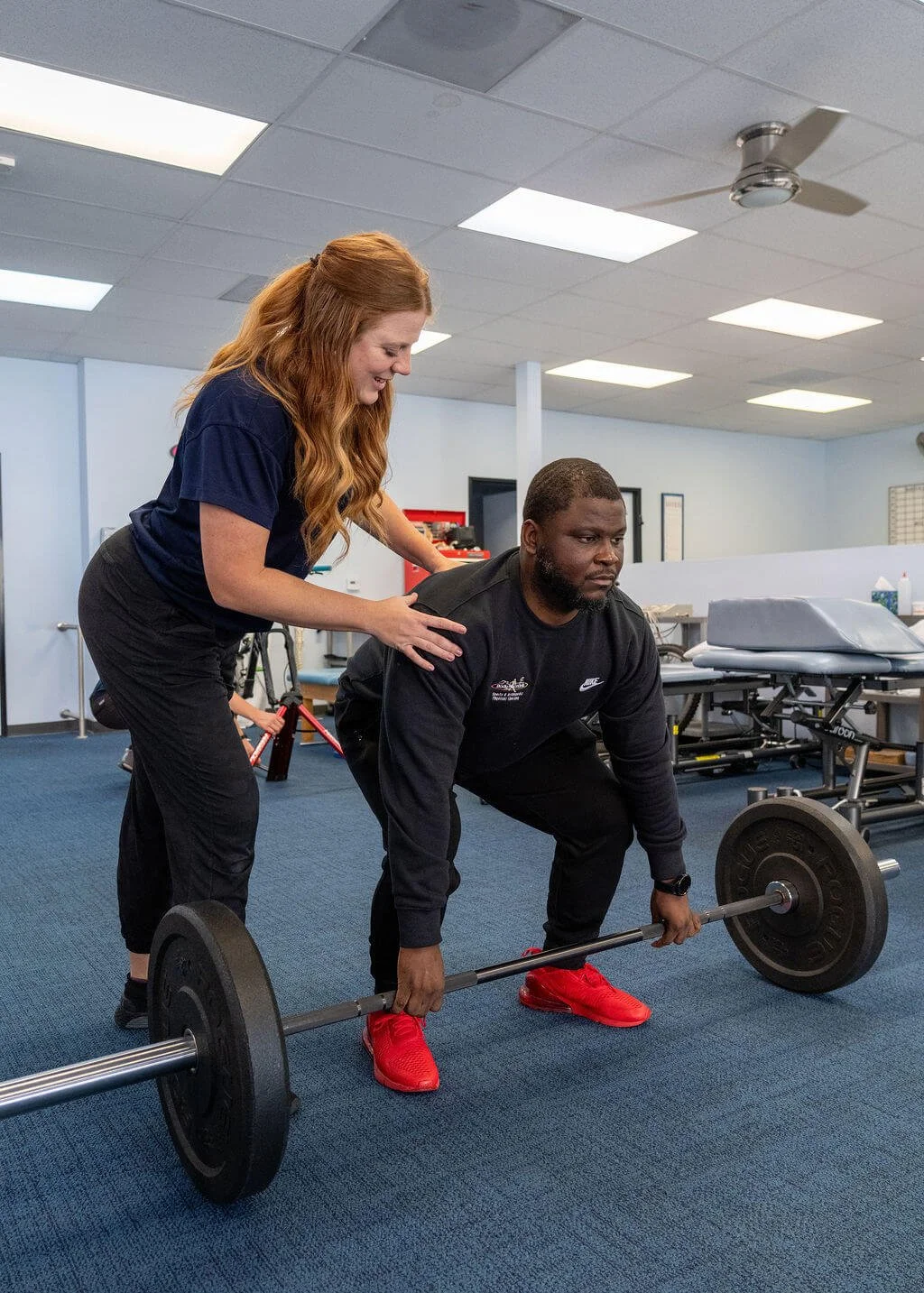
Sports Therapy
Whether you’re recovering from a sports injury or looking to boost your performance, our sports therapy services are designed to help athletes of all levels—youth, recreational, and competitive—move better and return stronger.
What sports therapy includes:
We evaluate your injury, create a personalized treatment plan, and guide you from early rehab all the way back to full sport participation. We also help prevent future injuries and improve overall athletic performance.
Post-surgical rehab:
For athletes recovering from surgery, we focus on restoring strength, mobility, and functional movement using:
Manual therapy
Therapeutic exercise and strengthening programs
Heat, ice, taping, and electrical stimulation
Functional retraining (e.g., cutting, jumping, throwing, sprinting)
Sport-specific conditioning that matches the demands of your game
Injury prevention:
We help athletes reduce injury risk through movement assessments, equipment recommendations, flexibility and strength programs, and targeted prevention plans such as ACL injury-prevention training.
Sports performance training:
After a full assessment, we design performance programs that improve strength, endurance, balance, agility, and speed—tailored to your sport and goals. Training can be provided as a personalized plan or coached sessions.
If you or your teen athlete want to recover faster, move with confidence, or take performance to the next level, we’re here to help.
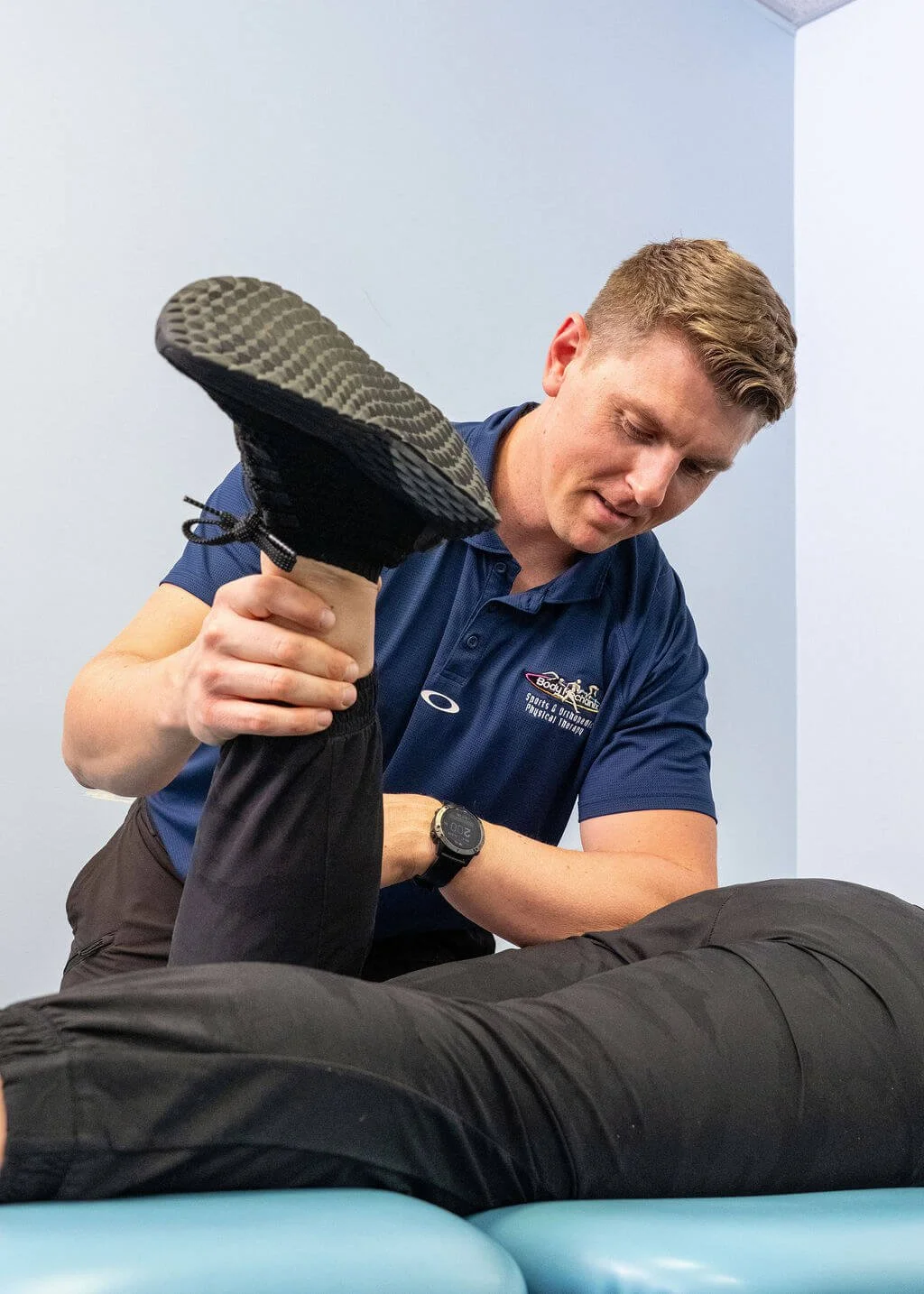
Pre & Post-operative Rehab
Our therapists work closely with surgeons to help patients recover strength, mobility, and confidence before and after orthopedic surgery. We provide one-on-one, evidence-based care to support your return to daily activities, work, recreation, and sports.
Common surgeries we treat:
Joint replacements (hip, knee, shoulder, ankles)
ACL, MCL, PCL, and LCL reconstructions
Arthroscopic knee and hip surgeries (meniscus or labral repairs)
Tendon and ligament repairs, including Achilles
Nerve release surgeries (carpal tunnel, cubital tunnel, etc.)
Neck and back surgeries (fusions, laminectomies, decompressions)
Fracture repairs and hardware fixation (plates, screws, pins)
Shoulder surgeries such as rotator cuff and SLAP repairs
Ankle and foot surgeries (bunions, ligaments)
How we help you recover:
Your rehab plan is tailored to your surgery and healing timeline. Treatment may include:
Manual therapy and soft-tissue work
Joint mobilization
Strengthening and functional exercises
Balance and gait training
Electrical stimulation
Mobility and flexibility training
Education to support safe movement and long-term recovery
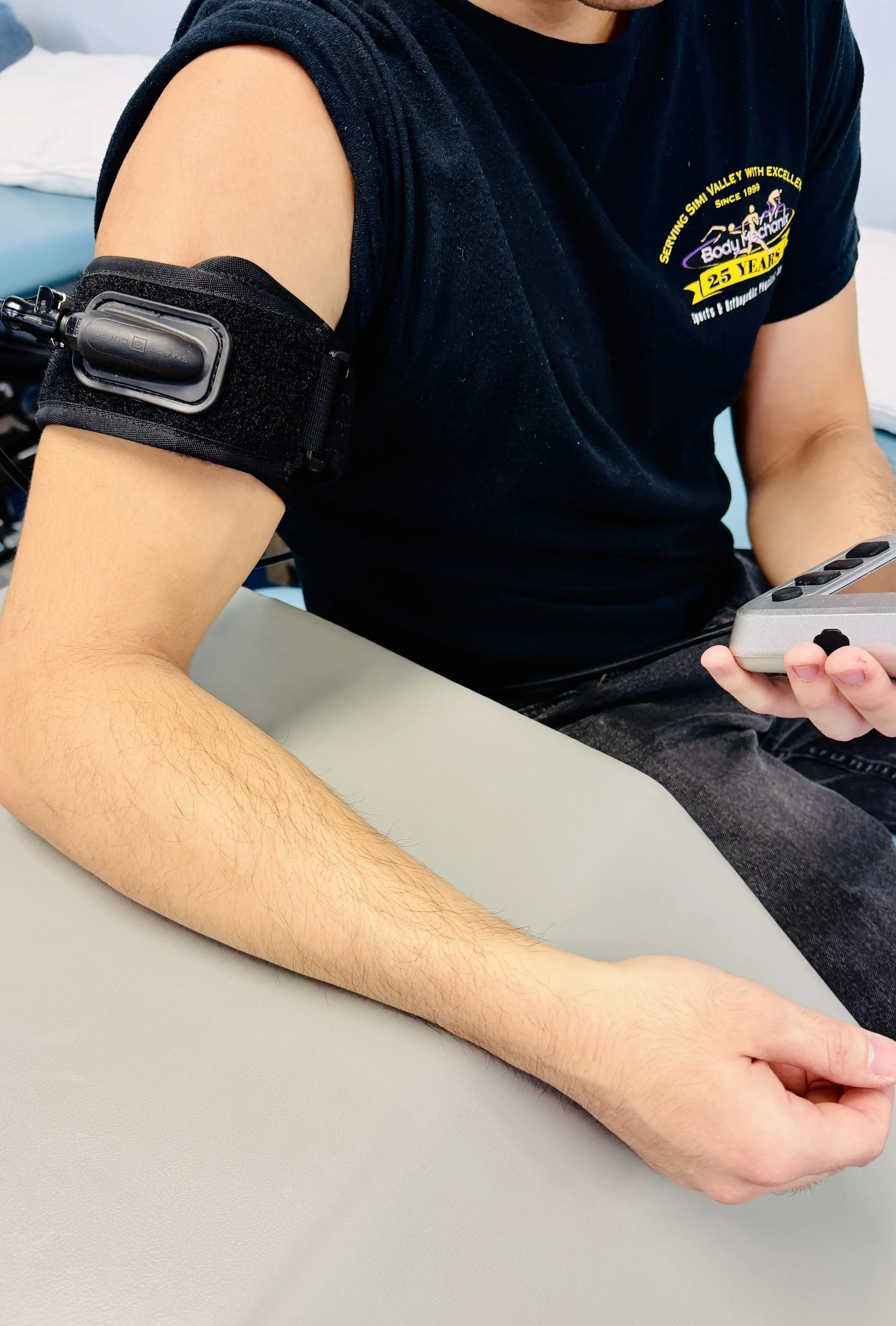
Blood Flow Restriction
Blood Flow Restriction, or BFR, is a rehab technique that uses a specialized cuff to gently limit blood flow in your arm or leg while you exercise. This lets you build strength and muscle using much lighter weights, which is helpful when you're injured, healing, or can’t lift heavy.
How it works:
Your provider applies a medical-grade cuff that safely adjusts pressure based on your limb size, blood pressure, and comfort. This creates just enough restriction to make your muscles work harder without stressing your joints. Your PT will also make sure BFR is safe and appropriate for you before starting.
What training feels like:
You’ll do specific exercises with light resistance. Even though the weight is low, your muscles will feel like they’re working hard—this is normal and expected. You may feel burning, sweat more, and notice your heart rate rise, similar to a tough workout.
Benefits:
BFR can help your body:
Build muscle and strength faster
Increase growth hormones that support recovery
Improve muscle protein synthesis (how muscles repair and grow)
Side effects:
Most people only experience temporary muscle fatigue, mild soreness, or some swelling, which usually goes away within 24 hours. If anything feels unusual or lasts longer, let your provider know.
BFR is a safe, research-supported way to speed up recovery while keeping exercise easier on your body.
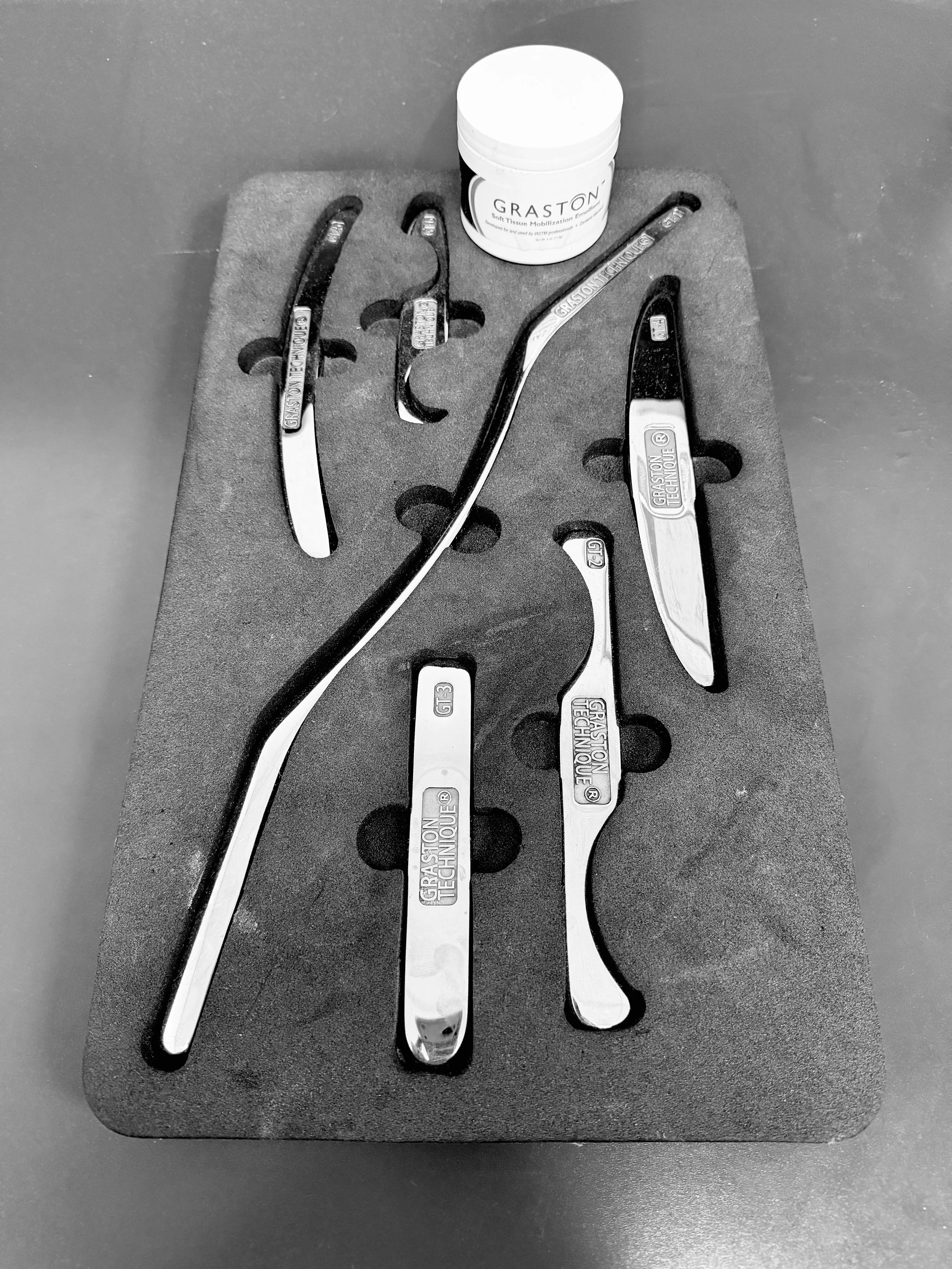
Graston Technique
The Graston Technique® is a specialized soft-tissue treatment that uses stainless steel tools to help break up tightness, scar tissue, and inflammation that can cause pain and limit movement. As your therapist glides the tools over your skin, they can feel (and treat) areas of restriction with precision.
How it works:
Once restricted tissue is identified, the tools help break down scar tissue so your body can naturally absorb it. Your therapist will often pair Graston with stretching, strengthening, and sometimes ice to help the tissue heal and return to normal function.
What it helps with:
Graston is commonly used for conditions such as:
Achilles tendon pain
Carpal tunnel
Neck or back strain
Tennis or golfer’s elbow
Knee pain
Plantar fasciitis
Shoulder tendon issues
Shin splints
Trigger finger
Why people choose it:
Graston has shown strong results—helping many patients recover more quickly from both new injuries and long-standing issues, including post-surgical recovery.
If you’re wondering whether this technique could help your condition, your therapist can walk you through what to expect and whether it’s a good option for you.
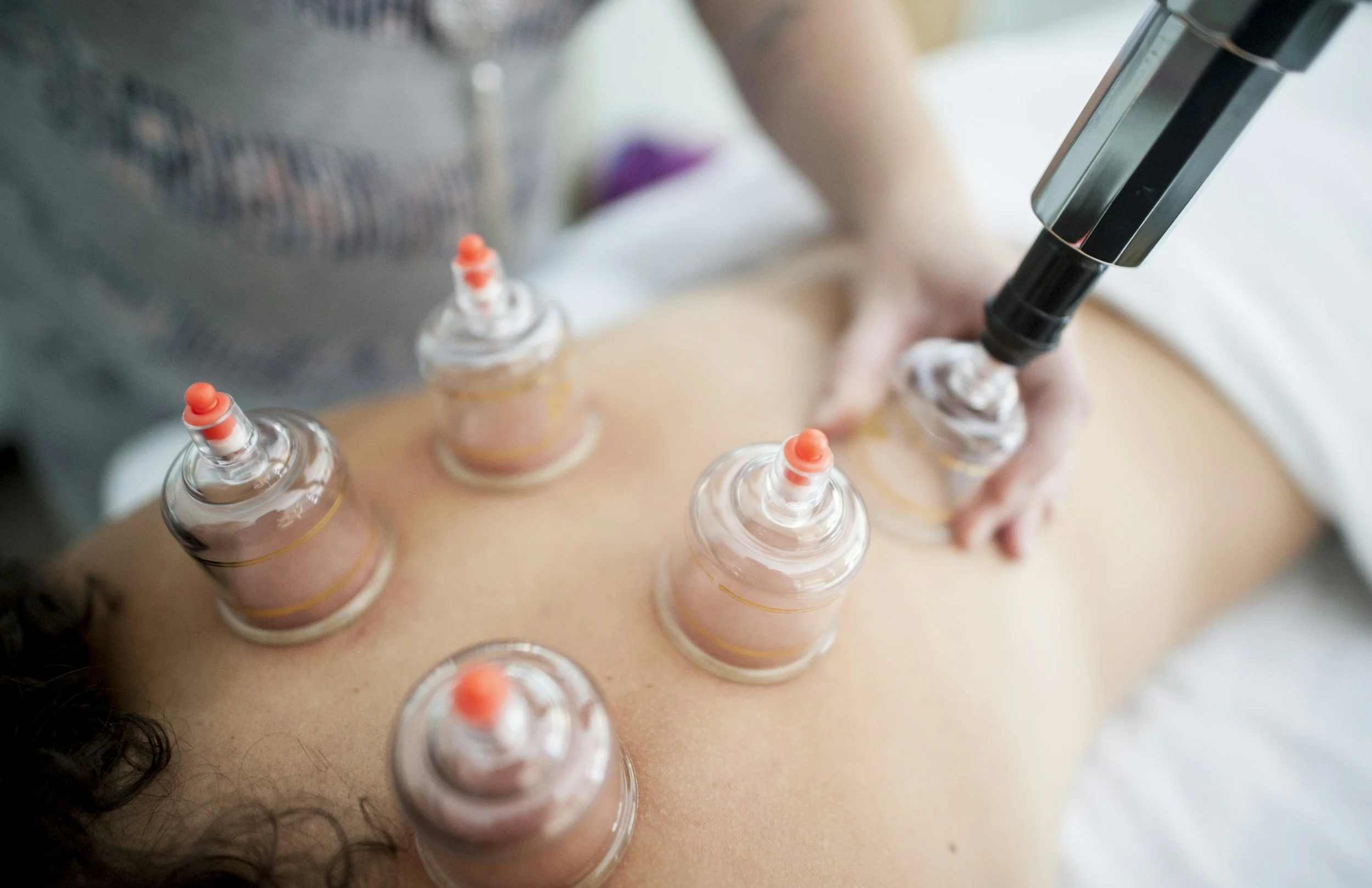
Cupping Therapy
Cupping is a therapeutic technique that uses small cups placed on the skin to create gentle suction. This practice has been used for thousands of years across various cultures and is now commonly incorporated into modern sports medicine and physical therapy to support pain relief, mobility, and recovery.
How it helps:
The suction created by the cups helps increase local blood flow and tissue hydration, which may reduce muscle tension, improve flexibility, and support the body’s natural healing processes. Cupping can also help decompress tight or irritated tissues, making it a useful complement to hands-on therapy and exercise. Research suggests cupping may provide short-term relief for conditions such as chronic neck pain, low-back pain, and muscle soreness.
Is it safe?
Yes—when performed by a trained professional. Mild bruising or soreness can happen and usually fades within a few days.
Who is it for?
Cupping can be a beneficial add-on treatment for a wide range of individuals, from athletes to those dealing with chronic pain or muscle tightness. It is always used as part of a personalized treatment plan. Your physical therapist will review your health history, goals, and comfort level to determine whether cupping is appropriate for you.
If you’re curious about how cupping might support your recovery or movement goals, talk with your physical therapist to see if it’s a good fit for your plan of care.
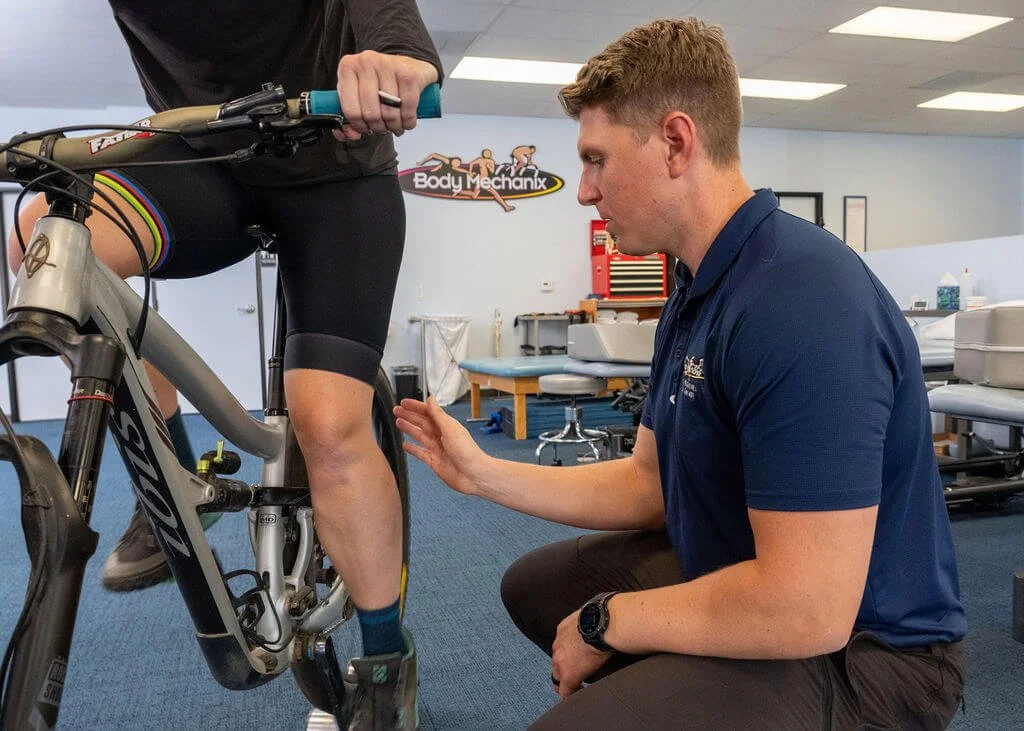
BikeFit Analysis
BikeFit Analysis
A BikeFit session helps you ride more comfortably, efficiently, and safely by making sure your bike is adjusted to fit your body—not the other way around. Whether you’re recovering from an injury, dealing with pain while riding, or just want to improve performance, a proper fit can make a big difference.
What we do:
Your therapist evaluates your posture, flexibility, strength, and riding mechanics. Then we adjust your bike’s key contact points—seat height and position, handlebars, pedals, and cleats—to reduce strain and improve alignment.
Why it helps:
A personalized BikeFit can:
Reduce pain in the knees, hips, back, shoulders, and wrists
Improve power and efficiency
Prevent overuse injuries
Make long rides more comfortable
Support safe return to riding after injury
Who it’s for:
All cyclists—beginners to competitive riders—can benefit. If you’re experiencing discomfort on the bike or want to optimize performance, a BikeFit can help you ride longer and feel better doing it.
Ask your therapist how a customized BikeFit can support your goals and elevate your riding experience.
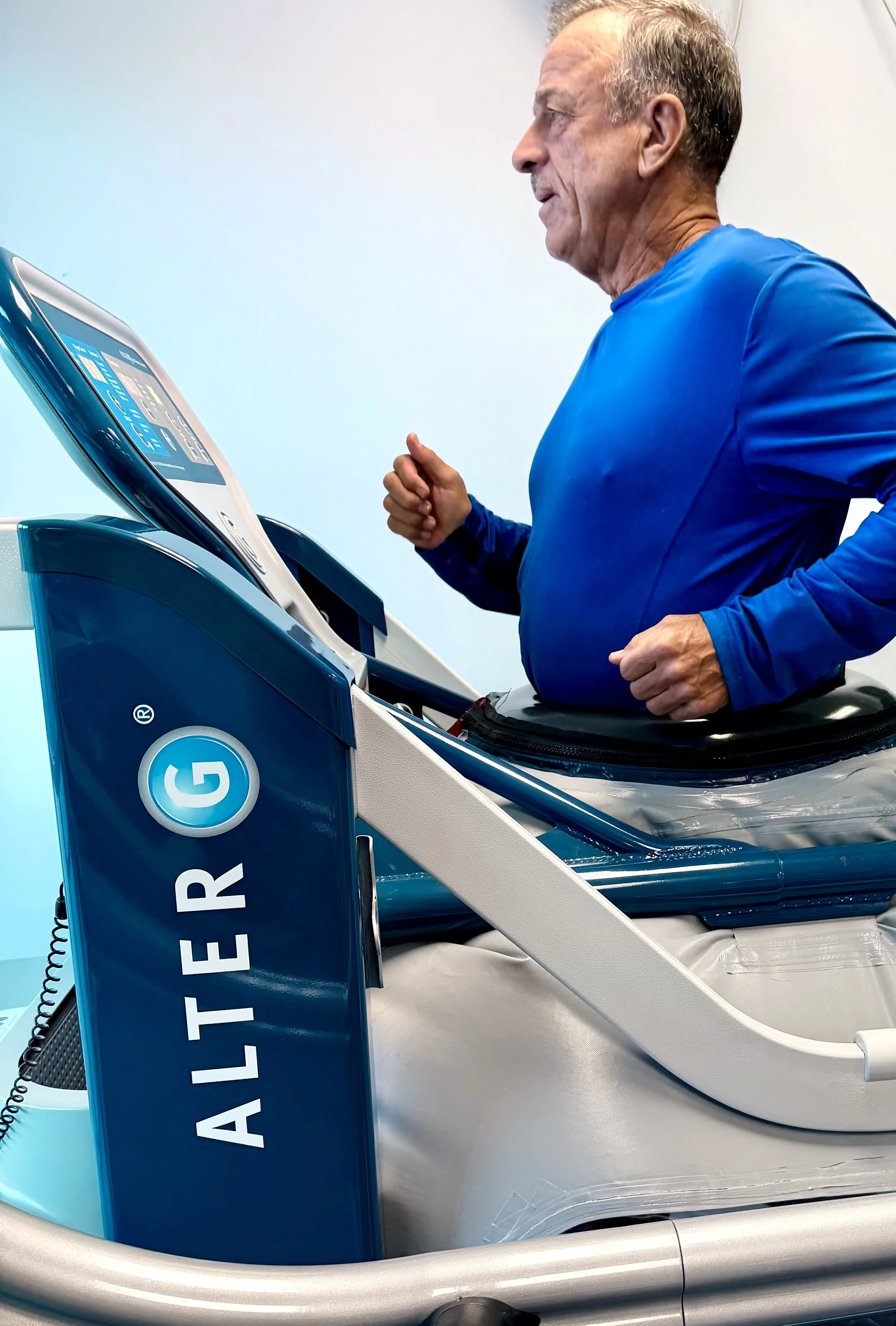
AlterG Treadmill
AlterG Anti-Gravity Treadmill®
The AlterG Anti-Gravity Treadmill® uses NASA-developed air pressure technology to gently lift part of your body weight, making walking and running easier and more comfortable during rehab. This allows you to move with less pain while still practicing a natural walking pattern.
What makes it unique:
Adjusts your body weight in 1% increments, down to 20% of your weight
Helps you find the exact point where movement becomes pain-free
Supports faster, safer recovery by reducing stress on your joints
Used by top PT clinics, hospitals, colleges, and professional sports teams
Great for:
Recovery after injuries or surgeries of the hip, knee, ankle, or foot
Rehab after joint replacements
Gait training for neurologic conditions
Strengthening and conditioning for older adults
Weight management and low-impact fitness
Sport-specific or aerobic training
The AlterG is FDA-cleared, safe, and effective—and many insurance plans provide coverage. It offers a breakthrough way to stay active and rebuild strength without putting full pressure on your body.
❊ Testimonials
Loved by our Community, Trusted by our Patients.
Seriously! But don’t take our word for it, here are some things people have to say about us.
I cannot recommend Body Mechanix enough! This is my second round with them. Taylor is hilarious, genuinely kind, compassionate, and never dismissed any concern or question I had. I would not feel as good as I do today without her help. I've been recommending Body Mechanix and Andy for years, and I'm thrilled to be able to wholeheartedly recommend Taylor to my family and friends.
— Eilish S., Patient
“
After two months with an ineffective physical therapist I noticed a therapist (Blake) achieving tremendous results in a much shorter period of time with his patients. I waited until Blake could treat me and the results were immediate and significant. Blake and his wife started their own business Body Mechanix in Simi Valley and I gladly make the half hour trek for my continued progress. I've gained 50% range of motion in my affected foot and he's postponing knee replacement surgery by providing a regimen of muscle development supporting my knee. Blake is highly skilled, yet humble. His best quality is that he listens when you talk about your body. I highly recommend Blake and Body Mechanix for any of your rehabilitative needs.
— Dave S., Patient
“
I went in to Body Mechanix with a back/hip issue and had the best 8 weeks getting all fixed up. They worked hard to strengthen me using their knowledge mixed with their friendly fun personalities. I was actually able to do squats again after a few years of barely bending my knees! I am stronger than I have been in a while. Taylor sent me home with a program I can follow to keep my hips & legs strong so I can hit the trails with no pain. I am deeply thankful for Taylor & her team & recommend them highly.
— Marcia H., Patient
“
❊ FAQs
You’ve got questions,
we’ve got answers
-
Please arrive with your paperwork completed (available on our website) or arrive 15 min early to appointment. Bring your referral if you have one—referrals are not always required. We will also make a copy of your physical insurance card.
You will meet with your physical therapist for an initial evaluation. During this visit, the therapist will review your medical history, current concerns, pain levels, daily limitations, and your goals for therapy, as well as any relevant medications or tests.
The therapist will then perform a physical assessment, which may include checking movement, strength, posture, nerve function, and areas of tenderness.
Based on this evaluation, your therapist will develop a personalized treatment plan with you, outlining visit frequency, length of care, home exercises, goals, and what to expect after therapy.
-
In California, direct access means you can see a physical therapist without first getting a referral from a doctor.
You may receive physical therapy for up to 45 days or 12 visits (whichever comes first) without a physician’s referral. During this time, your physical therapist will evaluate your condition and begin treatment if it is safe and appropriate.
If you need care beyond that limit, your physical therapist must obtain a referral or communicate with a physician to continue treatment.
Direct access allows patients to start care sooner, which can reduce pain, improve recovery, and help avoid further injury.
Insurance coverage may vary, so it’s always a good idea to check your specific plan.
-
You should wear loose-fitting or athletic clothing to expose the area that we will be evaluating and treating. For example, if you have a knee problem, it is best to wear shorts. For a shoulder problem, a tank top is a good choice. For low back problems, wear a loose-fitting shirt and pants, again so we can perform a thorough examination.
-
Physical therapists help people improve their movement and physical function, manage pain and other chronic conditions, and recover from and prevent injury and chronic disease. - APTA
Treatment includes exercise, hands-on care, and education to help patients manage pain and stay active. Only licensed physical therapists provide this care. Most insurance plans cover physical therapy, and many patients can start without a doctor’s referral.
-
Billing for physical therapy services is similar to what happens at your doctor's office. When you are seen for treatment, the following occurs:
The physical therapist bills your insurance company, Workers' Comp, or charges you based on Common Procedure Terminology (CPT) codes.
Those codes are transferred to a billing form that is either mailed or electronically communicated to the payer.
The payer processes this information and makes payments according to an agreed upon fee schedule.
An Explanation of Benefits (EOB) is generated and sent to the patient and the physical therapy clinic with a check for payment and a balance due by the patient.
The patient is expected to make the payment on the balance if any.
It is important to understand that there are many small steps (beyond the outline provided above) within the process. Exceptions are common to the above example as well. At any time along the way, information may be missing, miscommunicated, or misunderstood. This can delay the payment process. While it is common for the payment process to be completed in 60 days or less, it is not uncommon for the physical therapy clinic to receive payment as long as six months after the treatment date
-
We require 24 hours notice before cancelling an appointment. If you cancel within that 24 hour period, you are subject to a $50 cancellation fee.
If you do not show up to your appointment you are subject to a $75 no show fee.
Passion fuels resilience and enjoyment in the pursuit.